Termite Damage Signs Every Homeowner Should Know
A soft spot near a window, a door that suddenly sticks, or a baseboard that sounds hollow can be more than a minor home maintenance issue. Termite damage often develops out of sight, behind finished walls, beneath flooring, or inside framing members that appear sound from the surface. By the time visible signs appear, the affected area may need more than a cosmetic repair.
For homeowners in Solano County and nearby communities, early action can make a meaningful difference in the scope, cost, and disruption of repairs. The right response starts with identifying the activity, addressing the source, and making repairs that restore the strength and appearance of the home.
What Termite Damage Looks Like in a Home
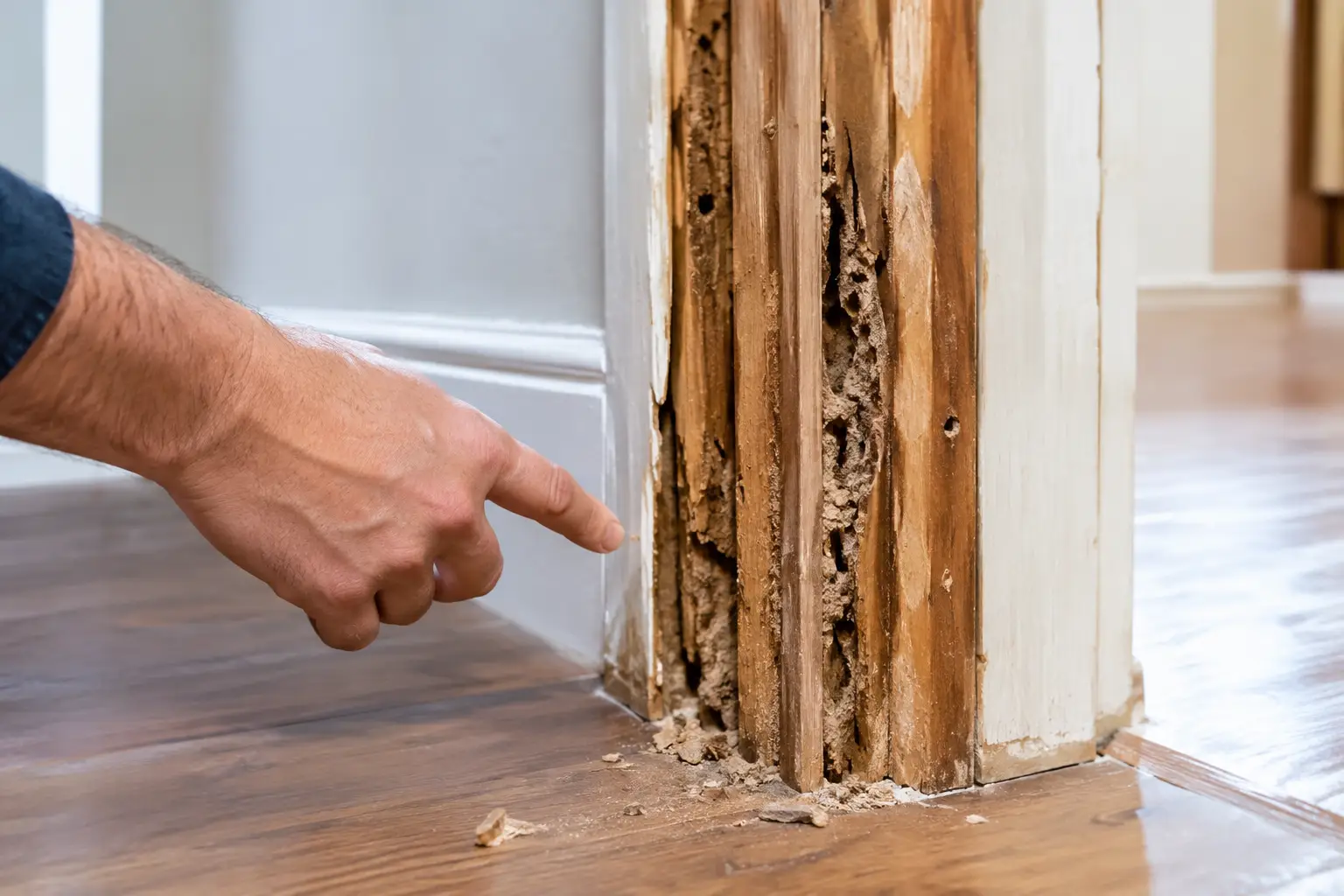
Termites feed on wood from the inside out. That is why damage can remain hidden until trim, drywall, flooring, or siding begins to show changes. A painted surface may look mostly normal even when the wood behind it has been weakened.
Common warning signs include wood that sounds hollow when tapped, bubbled or uneven paint, small holes in wood trim, crumbling baseboards, sagging areas of flooring, and doors or windows that no longer open smoothly. These signs do not automatically confirm termites. Moisture damage, settling, and wood rot can create similar symptoms. A qualified pest inspection is the best way to determine whether termites are active and what type of infestation is present.
In Northern California, both subterranean and drywood termites can affect homes. Subterranean termites generally travel through soil and build mud tubes to retain moisture while moving between their nest and a food source. Drywood termites live inside dry wood and may leave small piles of pellet-like droppings near windows, trim, attic framing, or furniture. The treatment approach depends on the termite type, the location of activity, and the extent of the infestation.
Why Small Signs Should Not Be Ignored
A small damaged section of trim may be relatively straightforward to replace. But when termites have reached wall framing, floor joists, beams, subflooring, or structural posts, the repair process requires a more careful evaluation. The visible damage is not always the full story.
Termites are especially concerning around areas where moisture is common, such as bathrooms, kitchens, laundry spaces, crawl spaces, exterior doors, and locations where wood comes close to soil. A slow leak, poor drainage, or failed exterior flashing can create conditions that make wood more vulnerable. Treating termites without correcting moisture conditions can leave a home exposed to future problems.
There is also a practical resale consideration. If termite damage is discovered during a home sale or refinance, buyers and lenders may request documentation of treatment and repairs. Completing work properly, with a clear scope and sound craftsmanship, helps protect the home’s value and gives future owners greater confidence in the condition of the property.
The Right Order for Addressing an Infestation
Termite repair should not begin with simply covering damaged material. The first priority is confirming the source of the problem and stopping active infestation. A licensed pest control professional can inspect the home, identify the termite species, recommend treatment, and provide documentation of their findings.
Once treatment is complete or a pest professional confirms that the activity has been addressed, the damaged areas can be evaluated for repair. This order matters. Replacing trim, drywall, or framing before the infestation is controlled can result in repeat damage and unnecessary expense.
A contractor should then assess what needs to be removed and rebuilt. In some cases, the work is limited to nonstructural trim, siding, or localized sheathing. In others, repairs may involve subflooring, wall studs, floor framing, structural posts, or exterior elements that protect the home from water intrusion. The repair plan should reflect the actual condition of the material, not just what is easiest to see.
Repairing Termite Damage Safely and Correctly
The scope of termite repair depends on location, severity, and whether structural components have been affected. A careful repair process begins by opening the affected area enough to inspect adjacent materials. This helps determine where sound wood begins and whether hidden moisture or additional deterioration is present.
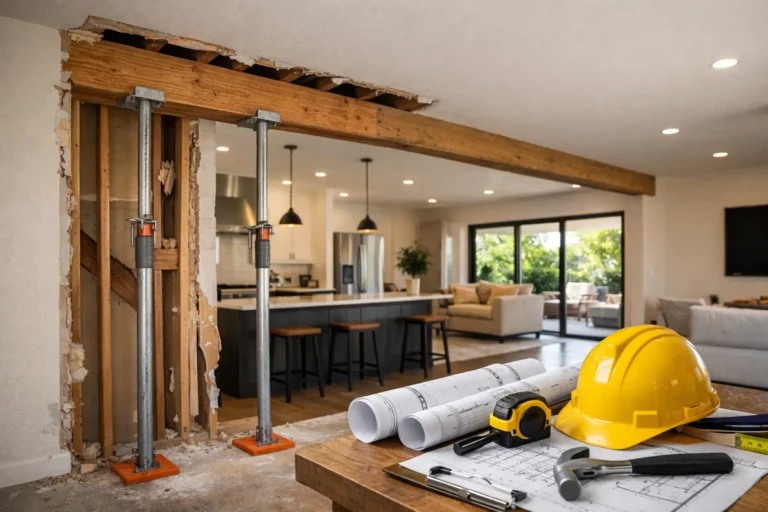
Damaged wood should be removed where necessary and replaced with properly sized, sound materials. When framing is involved, repairs must preserve the load path of the structure. That means walls, floors, and roof loads need appropriate support throughout the process. Temporary support may be required before compromised framing is removed.
Cosmetic repairs come after the underlying structure is sound. Depending on the area, this may include replacing insulation, drywall, baseboards, flooring, exterior trim, siding, or paint finishes. Matching existing finishes can be challenging in older homes, especially where sun exposure has changed the color of siding or paint over time. A contractor can help homeowners understand where an exact match is realistic and where a broader finish update may create a more consistent result.
Permits may be required when termite damage affects structural framing or involves significant alterations. While permits can add time to the process, they provide an added level of oversight for repairs that affect the home’s safety and long-term performance. A professional contractor should explain when permits are needed and manage the process clearly.
When Termite Repairs Become Part of a Larger Remodel
Discovering damage during a kitchen, bathroom, or home addition project is frustrating, but it can also be the right time to correct hidden issues. Remodeling often requires opening walls, removing cabinets, or exposing floor areas that would otherwise remain inaccessible. Addressing damage at that stage can prevent the need to disturb new finishes later.
For example, termite damage behind kitchen cabinets may lead to repairs of wall framing, subflooring, or exterior sheathing before new cabinetry is installed. In a bathroom, a combination of termite activity and moisture exposure may call for framing repairs, improved ventilation, and properly detailed waterproofing before tile and fixtures are completed.
The trade-off is that unexpected repairs can affect the project budget and schedule. Honest communication is essential when concealed conditions are found. Homeowners should receive a clear explanation of the issue, the recommended repair, the reason it is needed, and how it affects the work already planned. This makes it easier to make informed decisions rather than feeling pressured into an unclear change.
How to Reduce the Risk of Future Damage
No home is completely immune to termites, but maintenance can reduce attractive conditions and help reveal issues early. Keep soil and mulch below exterior wood components where possible, repair water leaks promptly, and make sure exterior drainage moves water away from the foundation. Damaged siding, loose trim, and deteriorated caulking around exterior openings should also be addressed before moisture reaches the framing.
Regular termite inspections are particularly worthwhile for homes with crawl spaces, older wood framing, mature landscaping close to the house, or a history of pest activity. Inspections are also a sensible step before a major renovation, since they can identify conditions that may affect the construction scope.
Avoid assuming that new paint or a replaced baseboard solves the problem. Visible finishes may hide a deeper issue, particularly if the material feels soft, shows unexplained discoloration, or continues to deteriorate. Repair decisions should be based on the condition of the wood behind the finish.
A Clear Plan Protects Your Home
Termite damage can feel overwhelming because it is often discovered unexpectedly. The most reliable path forward is straightforward: have the infestation evaluated and treated, assess the full extent of the damage, repair compromised materials correctly, and address the moisture or access conditions that contributed to the problem.
If damage has affected framing, flooring, walls, or finishes, a licensed contractor can provide a clear repair scope and help coordinate the work from demolition through final restoration. Acting before a localized concern becomes a structural repair helps protect both the comfort of your home and the investment you have made in it.