Is Dry Rot Repair Structural? What Homeowners Should Know
A soft spot at an exterior wall, a spongy floor near a shower, or peeling paint around a window can raise an urgent question: is dry rot repair structural? Sometimes it is. When wood decay reaches framing, floor supports, deck connections, or other load-bearing components, the repair goes beyond replacing a visible board. The right scope depends on where the damage is, how far it has spread, and whether the affected wood carries any of the home’s weight.
Dry rot should be addressed promptly, but homeowners do not need to assume the worst from the first sign of damage. A careful inspection can distinguish a localized trim repair from a structural repair that requires more extensive planning, permits, and skilled reconstruction.
When Dry Rot Repair Is Structural
Dry rot repair is structural when decayed wood is part of the system that supports the home or safely transfers its weight to the foundation. This can include wall studs, sill plates, rim joists, floor joists, beams, posts, subflooring, and framing around openings when the deterioration is significant.
For example, a small section of rotted window trim may be primarily a finish repair. But if water has traveled behind the trim and damaged the wall sheathing, studs, or header above the window, the repair may affect the wall’s strength and require temporary support while the damaged materials are replaced.
The same principle applies under a home. Dry rot in a nonstructural piece of exterior siding is different from decay in a floor joist or beam. A joist that has lost its strength can contribute to bouncy floors, uneven areas, cracking finishes, or doors that no longer close properly. Replacing it correctly means restoring the original support, not simply covering the damage.
Why “Dry Rot” Is More Than a Surface Problem
Despite the name, dry rot is caused by moisture. Wood-decay fungi need a damp environment to grow, often from a leaking window, failed flashing, worn exterior sealant, shower leak, poor drainage, or a plumbing issue inside a wall or floor assembly. Once the wood stays wet long enough, the fungus breaks down the fibers that give it strength.
The visible damage is not always the full story. Paint can hide softened wood, and a stained ceiling may be several feet from the actual water entry point. In Northern California homes, areas around exterior doors, windows, decks, bathrooms, and older wood siding are common places to investigate because they are exposed to repeated moisture or have vulnerable transitions between materials.
A lasting repair has two parts: remove and replace the decayed material, then correct the moisture source that caused it. Replacing damaged wood without resolving the water intrusion can lead to the same problem returning behind the new finish.
Signs That Structural Repair May Be Needed
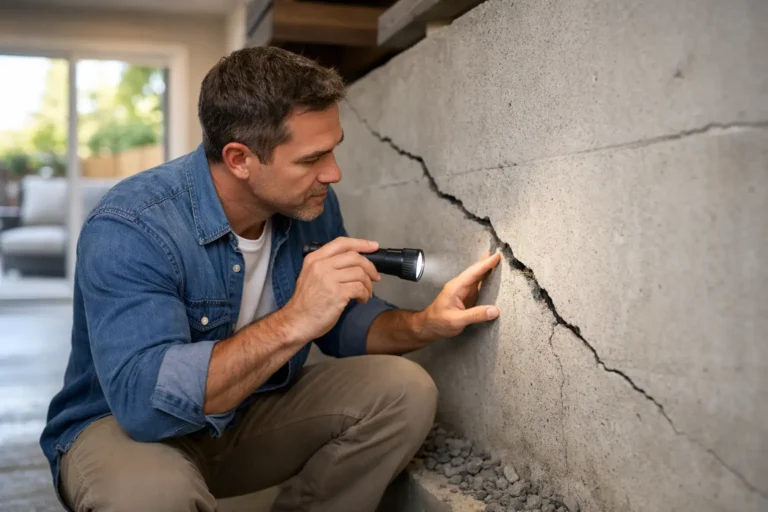
Some symptoms deserve a professional assessment sooner rather than later. Floors that feel soft, sag, or bounce unusually may point to subfloor or framing damage. Cracked drywall, gaps at baseboards, sloping surfaces, or doors and windows that suddenly stick can also indicate movement in the supporting structure.
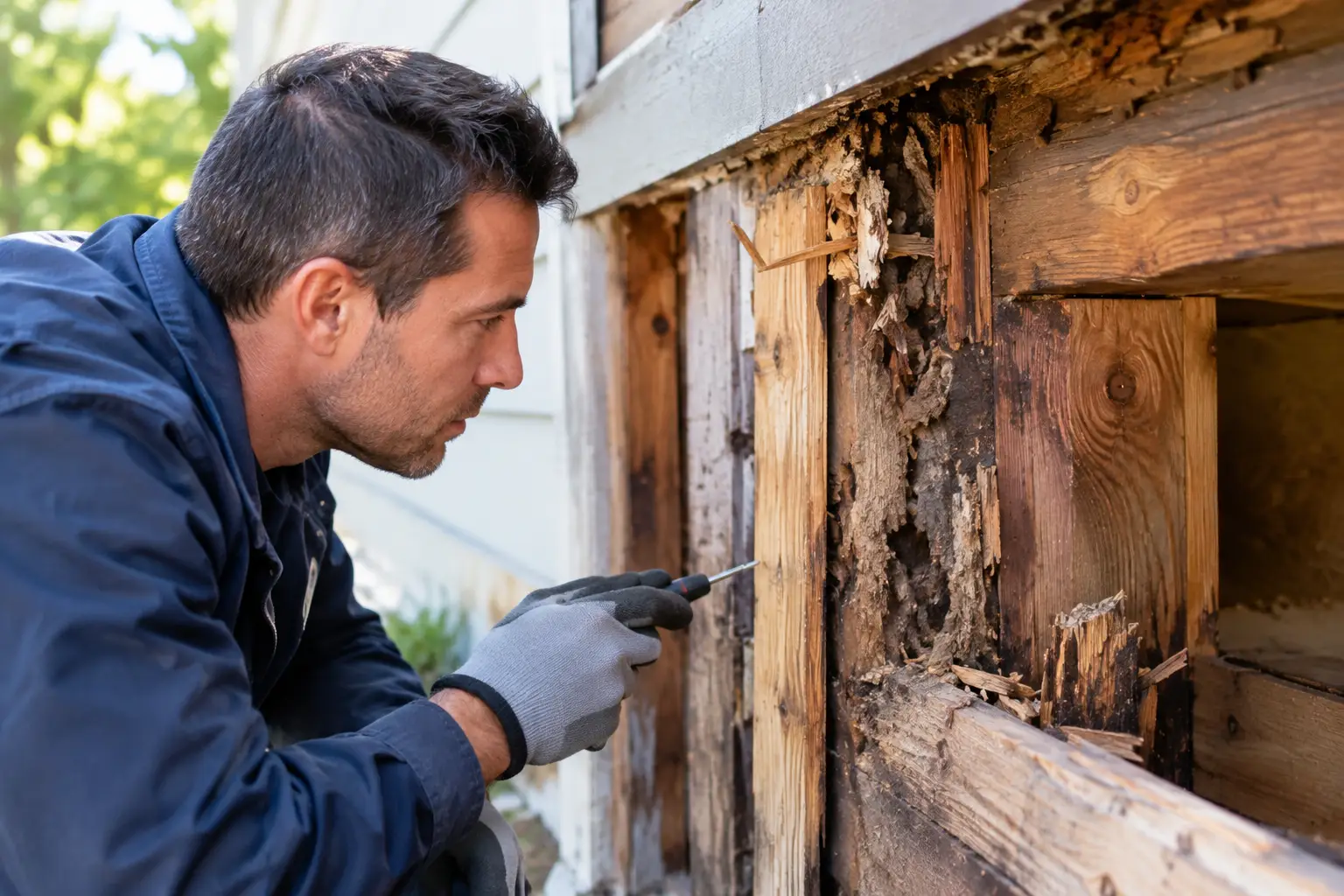
Outside, look for trim or siding that feels soft when gently pressed, crumbles at edges, or has deep cracking and a darkened appearance. Deck posts, beams, stair connections, and areas where a deck meets the home should be taken seriously because they can affect safety as well as appearance.
Not every one of these signs confirms dry rot. Settlement, seasonal movement, and ordinary wear can create similar symptoms. That is why a thorough evaluation matters. The goal is to identify the damaged materials, determine whether they are structural, and trace the source of moisture before recommending a repair plan.
What a Proper Structural Dry Rot Repair Involves
Structural dry rot work should begin with access and investigation, not assumptions. A contractor may need to remove a limited amount of siding, trim, drywall, flooring, or other finishes to see the full extent of the decay. While this can feel disruptive, concealed damage cannot be repaired responsibly from the surface alone.
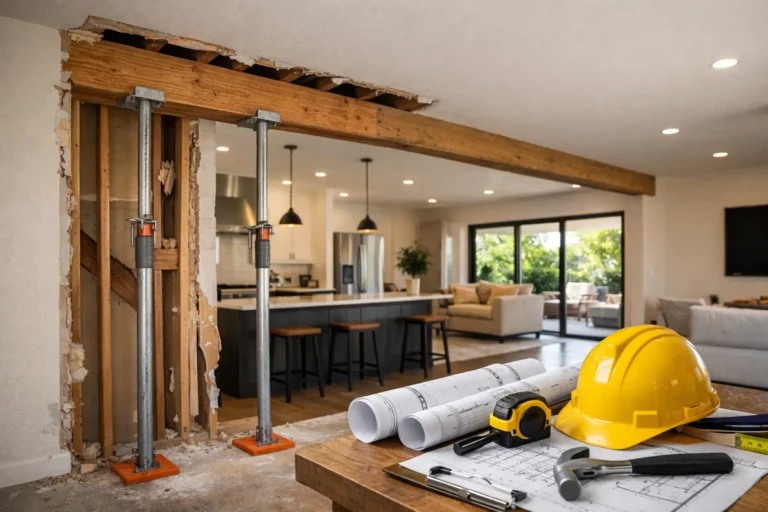
If load-bearing framing is affected, the area may need temporary support before compromised wood is removed. The damaged framing is then replaced with properly sized, sound materials and connected in a way that restores the intended load path. Depending on the location and scope, this may involve new blocking, approved fasteners, metal connectors, or revised framing details.
After the structural work is complete, the repair typically moves back outward through the assembly: sheathing or subfloor, weather-resistant barriers where needed, exterior finishes or interior wall finishes, and final paint or trim. The details matter. Proper flashing, sealing, drainage, and material transitions help prevent water from entering the repaired area again.
In some cases, a repair can be limited to sistering or reinforcing a member when the remaining wood is sound and the design supports that approach. In other cases, full replacement is the better long-term choice. The correct method depends on the condition of the framing, the loads it carries, access to the area, and local code requirements.
Permits and Planning for Dry Rot Repairs
Cosmetic replacement work may not require a permit, but structural dry rot repairs often do. Requirements vary based on the extent of framing replacement and the jurisdiction. In Vacaville, Fairfield, Dixon, Benicia, and nearby communities, homeowners should expect permit questions when the work involves structural members, significant exterior wall repairs, or alterations to a deck or supporting floor system.
Permits are not just paperwork. They create a documented process for reviewing structural details and inspecting completed work when required. This can protect the homeowner, especially when the repair may later come up during a home sale or insurance discussion.
A clear repair proposal should explain what is known, what may only be confirmed after opening the affected area, and how change conditions will be handled. Dry rot is often hidden, so responsible contractors avoid promising an exact scope before they can inspect behind damaged finishes. Transparency at this stage helps prevent surprises later.
Structural Repair Versus Cosmetic Replacement
The difference is not always obvious from the outside. Replacing a rotted fascia board, a section of decorative trim, or localized siding can be a straightforward repair if the underlying framing is dry and sound. These projects still require good craftsmanship because the new materials must shed water correctly.
Structural repair becomes necessary when the decay compromises support or stability. A deteriorated rim joist beneath an exterior wall, for instance, is not a cosmetic concern. It may support floor framing and form part of the connection between the floor system and the wall above it.
The cost and timeline can differ substantially between the two. Cosmetic work is generally more contained. Structural work may require selective demolition, engineering input in certain situations, permit review, inspections, and restoration of finishes after the framing is complete. The added steps are worthwhile when they protect the home from continued damage or unsafe conditions.
Questions Homeowners Should Ask Before Work Begins
Before approving dry rot repairs, ask whether the affected wood is structural and how that determination was made. Ask where the moisture came from, how it will be corrected, and whether more damage may be found once the area is opened.
It is also reasonable to ask how the repaired area will be protected from future water intrusion, whether permits are needed, and what finishes will be restored after the structural work is complete. A dependable contractor should be able to explain the sequence in clear terms rather than leaving homeowners to interpret technical language on their own.
For larger or uncertain repairs, documentation can be especially helpful. Photos of concealed damage, a written scope, and clear communication about any changed conditions give homeowners a better understanding of the work being completed.
The Best Next Step When You Find Dry Rot
Do not wait for a small soft spot to become a larger framing problem. Keep the area as dry as possible, avoid placing extra weight on weakened floors or decks, and arrange for an assessment by a qualified contractor. Saitta Construction helps homeowners evaluate structural concerns with practical recommendations, clear communication, and attention to the details that make repairs last.
The most helpful outcome is not simply new wood in place of old. It is knowing the damaged area has been properly repaired, the moisture source has been addressed, and your home is ready to provide dependable support for years ahead.