How to Evaluate Foundation Cracks at Home
A hairline crack in a garage slab may be a normal sign of concrete curing. A widening diagonal crack beside a window, especially with a door that suddenly sticks, deserves a closer look. Knowing how to evaluate foundation cracks helps homeowners separate common cosmetic concerns from conditions that may affect a home’s structure, safety, and long-term value.
For homeowners in Vacaville, Fairfield, Dixon, and nearby communities, a careful evaluation starts with observation, not assumptions. Foundation movement can be influenced by soil conditions, drainage, age, settling, nearby trees, and changes in moisture around the home. The goal is not to diagnose the problem from one crack alone. It is to understand the pattern, track changes, and recognize when a qualified professional should inspect the structure.
Start With the Crack’s Location
The location of a crack provides useful context. Cracks in a concrete driveway, walkway, patio, or garage slab are not automatically foundation failures. Exterior flatwork is exposed to temperature changes, soil movement, and normal concrete shrinkage. It may crack independently of the home’s main foundation.
Cracks in the foundation stem wall, crawlspace perimeter, basement wall, or interior slab deserve more attention because these areas are part of the home’s structural support system. Also look at nearby finishes. Drywall cracking, tile separation, gaps around trim, sloping floors, or doors and windows that no longer operate smoothly can help show whether movement is affecting more than one area.
A single small crack in an isolated location is often less concerning than several cracks that follow a pattern through the home. Context matters more than appearance alone.
How to Evaluate Foundation Cracks by Shape
The direction and shape of a crack can offer clues about how the concrete has responded to stress. It does not provide a final answer, but it helps determine the level of concern.
Vertical cracks
Straight vertical cracks are common in concrete foundations and can occur as concrete shrinks and cures. Narrow vertical cracks that remain stable may be cosmetic or may simply need monitoring and appropriate sealing to limit moisture entry. However, a vertical crack that is wider at the top or bottom, continues to grow, or allows water into the home should be evaluated further.
Diagonal or stair-step cracks
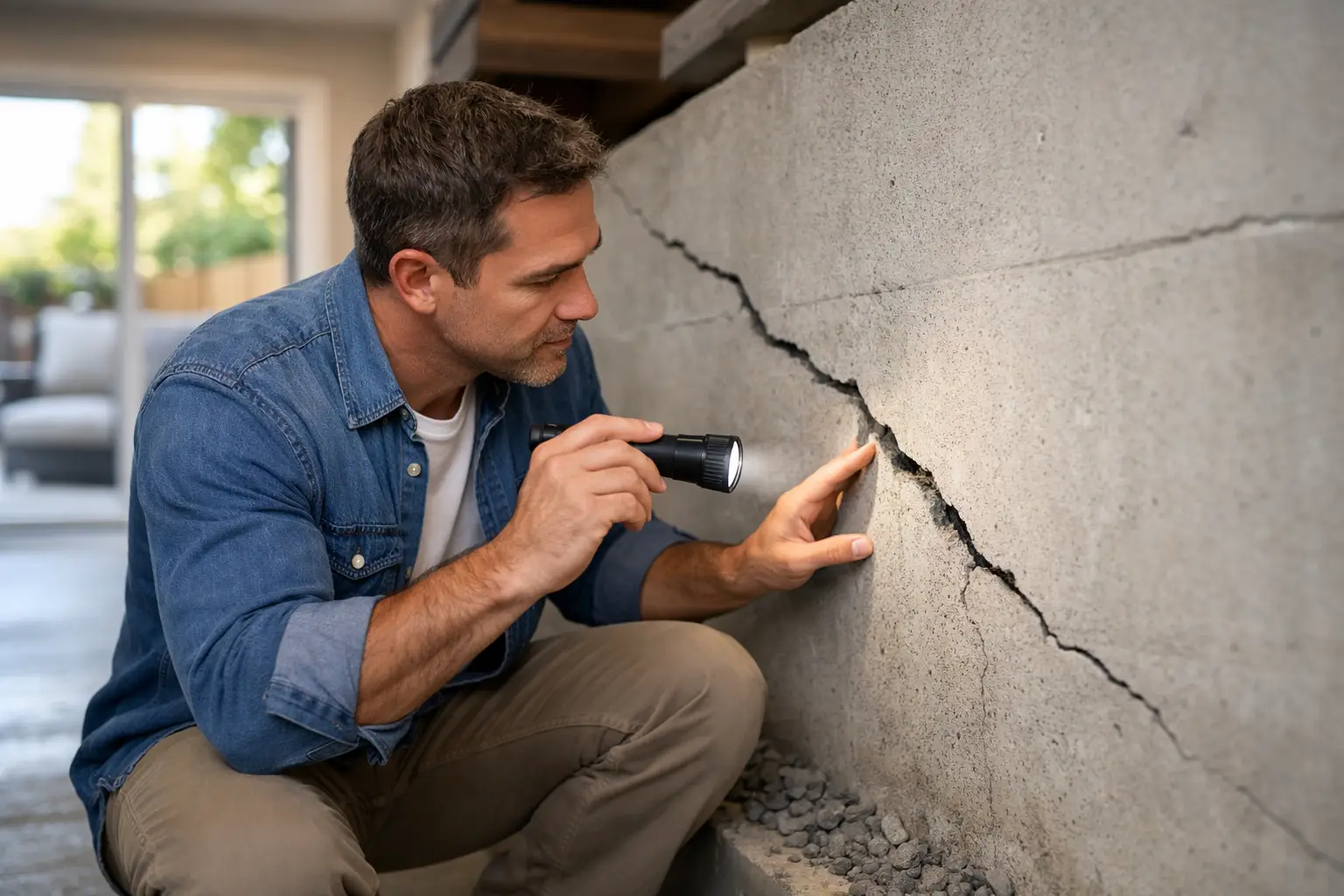
Diagonal cracks may appear in poured concrete, while stair-step cracks follow the mortar joints in block or brick foundation walls. These patterns can indicate uneven movement, particularly when they are wider than a hairline, extend across a large area, or appear with interior damage. A crack near the corner of a window or door is worth documenting because openings can concentrate stress.
Horizontal cracks
Horizontal cracks in a foundation wall should receive prompt professional attention. Soil pressure, water buildup, or other forces can push against a wall from the outside. If the wall appears bowed, displaced, or cracked along a horizontal line, avoid treating it as a simple cosmetic repair.
Cracks with separation or displacement
A crack is more significant when one side is no longer flush with the other. This is called displacement. A visible gap, offset edge, bulging wall, or separation between structural elements suggests movement beyond normal surface shrinkage. These conditions should be assessed by a qualified structural repair professional before remodeling or finishing work covers the evidence.
Measure Width and Watch for Change
A crack’s width is one practical factor, but it is not the only one. Hairline cracks are generally very narrow and may remain stable for years. Cracks approaching or exceeding one-eighth inch, especially if they are growing or accompanied by other symptoms, deserve closer attention.
Take clear, dated photos from the same distance and angle. Include a ruler or measuring tape in the photo so changes are easier to compare. Note where the crack begins and ends, whether it is dry or damp, and whether it has branching lines. Repeat the photos over several weeks or after major seasonal changes.
This record can be valuable when speaking with a contractor or structural professional. It replaces vague descriptions such as “I think it got bigger” with information that supports a more accurate recommendation. If a crack changes quickly, water begins entering the space, or a wall shifts visibly, do not wait for a long monitoring period.
Check for Related Signs Around the Home
Foundation concerns rarely announce themselves through concrete alone. Walk through the home and look for related changes, particularly if they are new or getting worse. Signs that should be considered together include:
- Doors or windows that stick, rub, or no longer latch properly
- New drywall cracks above doors, windows, or at wall-to-ceiling joints
- Uneven or noticeably sloping floors
- Gaps between walls, cabinets, counters, trim, or exterior siding
- Cracked tile or flooring in several connected rooms
- Moisture, staining, or musty odors near foundation walls or crawlspaces
None of these signs confirms a foundation problem by itself. Wood framing expands and contracts, doors can shift with humidity, and drywall can crack for reasons unrelated to the foundation. But several symptoms in the same area, especially alongside a growing concrete crack, make a professional inspection more appropriate.
Consider Drainage and Soil Conditions
Water management is often part of the story. Excess water near a foundation can soften or erode soil, while prolonged dry conditions can cause some soils to shrink. Repeated moisture swings may contribute to movement over time.
Look for standing water near the home after rain, downspouts that discharge close to the foundation, low areas where soil slopes toward the house, or irrigation that regularly wets the perimeter. In Northern California, the shift between wet winters and dry summers can make consistent drainage and grading especially important.
Correcting drainage may be part of the solution, but it should not be used to dismiss an active structural concern. If movement has already occurred, a professional needs to determine whether improving water control is sufficient or whether repairs are also needed.
Know When to Call a Professional
Homeowners can document and observe cracks, but structural diagnosis requires experience and, in some cases, engineering input. Request a professional evaluation when a crack is horizontal, diagonal, wide, expanding, offset, or paired with noticeable movement elsewhere in the home. Water intrusion, bowed walls, recurring cracks after previous repairs, and sudden changes in doors or floors also justify a timely call.
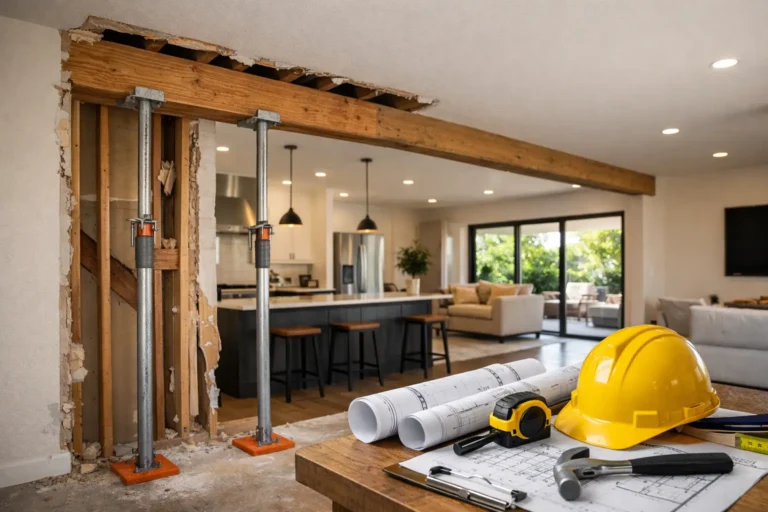
Before a major renovation, room addition, ADU project, or flooring installation, it is wise to address unresolved foundation concerns first. New finishes can hide symptoms temporarily, but they do not correct the underlying cause. A clear assessment protects the investment you are making in the rest of the home.
A reputable contractor should explain what they see, identify what may need further review, and avoid promising a repair before the cause is understood. The right recommendation may range from monitoring and drainage improvements to targeted structural repairs. It depends on the crack pattern, the condition of the structure, and evidence of ongoing movement.
Avoid Quick Cosmetic Fixes
Filling a crack can improve appearance and help reduce minor moisture entry, but it does not establish why the crack formed. If the crack is active, sealing it without evaluation may only make it harder to track changes later. Likewise, painting over stains or patching drywall before documenting the condition can remove useful clues.
If you are planning a remodel, photograph existing cracks before work begins and discuss them during the initial consultation. This creates a clear baseline and helps ensure the scope addresses the home as it is, not just the surface finish you want to update.
Foundation cracks are best handled with steady attention rather than panic. Observe the pattern, document the evidence, and bring in experienced help when the signs point to more than normal settling. An honest assessment early on can protect your home’s comfort, functionality, and value for years to come.