Bathroom Upgrades That Improve Daily Living
A bathroom can look acceptable and still create frustration every morning. A crowded vanity, poor lighting, an aging tub, or a shower that is difficult to step into can affect how comfortably a home works. The right bathroom upgrades address those daily issues while giving the room a cleaner, more current appearance and supporting long-term property value.
For homeowners in Vacaville and surrounding Solano County communities, the best approach is rarely choosing finishes first. Start with the way the room is used, the condition of what is behind the walls, and the level of investment that makes sense for the home. A well-planned remodel should feel better to use on day one and remain practical years from now.
Bathroom Upgrades That Deliver the Most Value
Not every improvement needs to involve a complete bathroom renovation. Some projects focus on layout and accessibility, while others update surfaces, fixtures, and storage within the existing footprint. The most valuable choices are the ones that solve a real problem rather than simply following a short-lived trend.
A shower built for everyday use
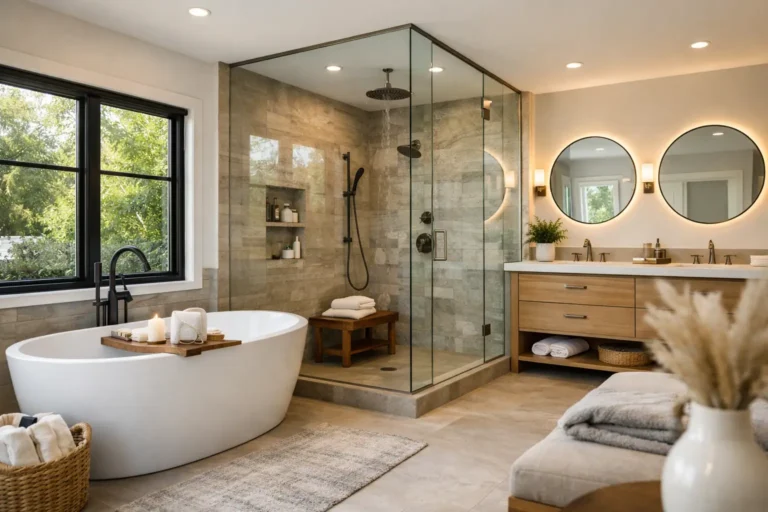
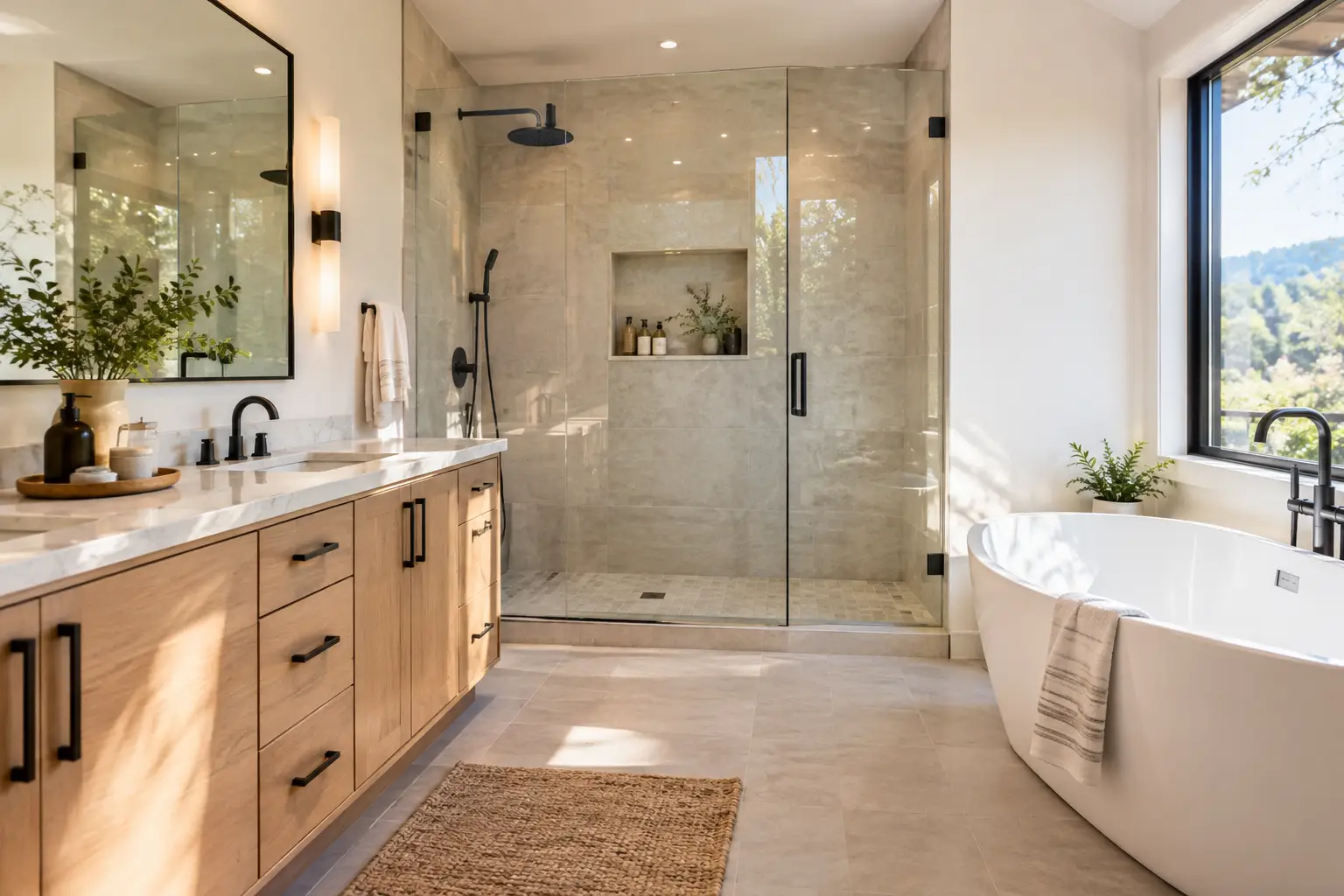
Replacing an underused tub with a larger walk-in shower is one of the most common bathroom upgrades for homeowners who want more comfort and easier access. A properly designed shower can include a low threshold, built-in niche storage, a bench, and glass that makes a smaller room feel more open. These features are not only attractive. They reduce clutter and make daily routines more convenient.
That said, removing the only bathtub in a home deserves careful consideration. Families with young children, as well as homeowners thinking about future resale, may benefit from keeping at least one tub elsewhere in the house. The right decision depends on the home’s layout, the neighborhood, and who will use the space.
Better storage without adding visual clutter
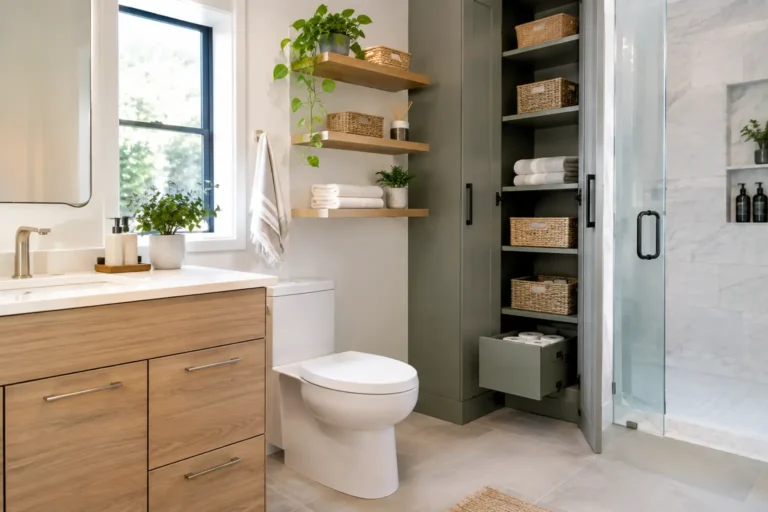
A vanity should do more than hold a sink. Deep drawers, pullout organizers, and properly planned cabinet space can make a substantial difference in a bathroom that always feels crowded. Compared with a basic cabinet vanity, drawer storage often makes toiletries, towels, and personal care items easier to reach.
A larger vanity may be possible even in a modest bathroom, but clearance matters. There needs to be room to open drawers, move comfortably through the space, and access the toilet or shower without feeling boxed in. During the design phase, accurate measurements help prevent a beautiful selection from becoming an awkward fit.
Lighting that works at every hour
Many older bathrooms rely on one ceiling fixture and a light above the mirror. That setup can create shadows on the face and leave corners of the room dim. Layered lighting improves both function and atmosphere: overhead lighting provides general illumination, vanity lighting supports grooming, and a separate shower light can make enclosed spaces feel more inviting.
The fixture style should complement the rest of the room, but performance comes first. Lighting placed at the sides of a mirror often gives more even illumination than a single fixture overhead. Dimmers are also worth considering when homeowners want bright light in the morning and a softer setting later in the evening.
Durable, easy-care surfaces
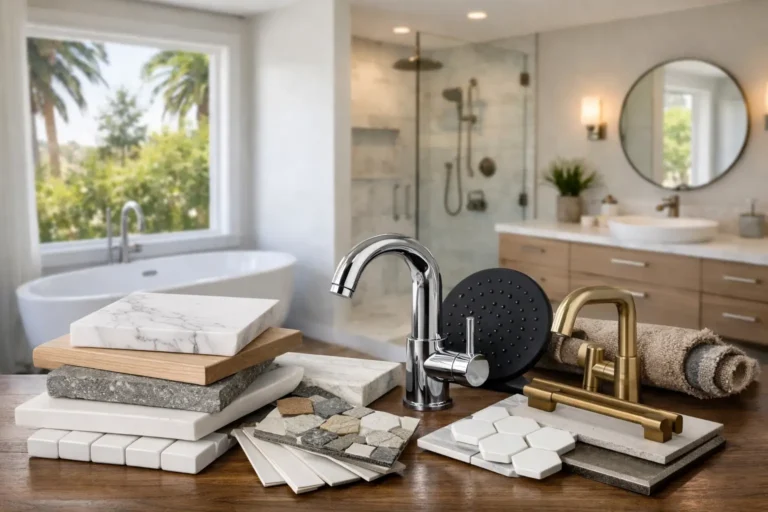
Bathroom materials face moisture, regular cleaning, and heavy use. Porcelain or ceramic tile remains a dependable choice for shower walls and floors because it offers a wide range of styles and holds up well when installed correctly. Larger tiles can create a clean, modern look with fewer grout lines, while smaller mosaic tile can provide useful traction on a shower floor.
Natural stone can add character, but it may require more maintenance than some homeowners expect. Engineered quartz countertops are often a practical alternative, providing a consistent appearance and straightforward care. There is no single best material for every project. The right selection balances appearance, cleaning preferences, budget, and the amount of daily wear the bathroom will receive.
Start With the Layout, Not the Finishes
A bathroom remodel has the strongest impact when it improves the room’s flow. Before selecting tile, faucets, or paint colors, consider what is not working now. Is there enough counter space? Does the door interfere with the vanity? Is the shower too tight? Is the toilet placed where it limits movement?
Keeping plumbing fixtures in their current locations can help control the project scope, but it is not always the best answer. Moving a shower, toilet, or vanity may be worthwhile if the existing layout wastes usable space or creates access problems. It can also add cost because plumbing changes may require work beneath the floor or inside walls. A contractor should explain these trade-offs clearly before construction begins.
Older homes can reveal conditions that are not visible during early planning, including water damage, outdated connections, inadequate ventilation, or framing issues around a shower. Addressing these items is less exciting than choosing a new vanity, but it protects the finished work. Quality bathroom remodeling depends on what is installed behind the tile as much as what homeowners see after the final walkthrough.
Plan for Comfort Today and Flexibility Tomorrow
Thoughtful bathroom upgrades can help a home serve its owners through changing needs. This does not mean every bathroom needs to look clinical or overly specialized. It means incorporating features that make the space safer and more comfortable without sacrificing style.
A curbless or low-threshold shower, wider circulation space, a comfort-height toilet, and secure blocking for future grab bars are practical examples. These choices can be especially valuable in a primary bathroom, where homeowners may plan to remain in the home for many years. Even if some features are not needed immediately, planning for them during a renovation is often easier and less disruptive than adding them later.
Ventilation deserves the same level of attention. A properly sized, well-located exhaust fan helps manage humidity and supports the longevity of paint, cabinetry, drywall, and finishes. In a room built around water, moisture control is a core part of protecting the investment.
Budget With the Full Scope in Mind
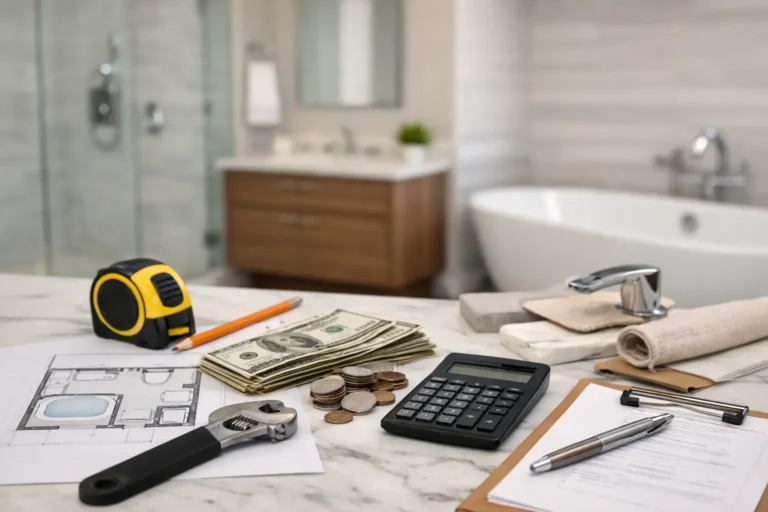
Bathroom remodeling costs vary widely based on size, layout changes, material selections, and the condition of the existing room. A cosmetic update may focus on a vanity, lighting, flooring, paint, and fixtures. A full renovation can include demolition, shower construction, waterproofing, plumbing changes, electrical updates, ventilation, cabinetry, tile, countertops, and finish work.
A realistic budget should account for both visible selections and the construction work required to install them correctly. Homeowners should also set aside a contingency for conditions uncovered after demolition, particularly in older bathrooms or rooms with signs of prior leaks. Transparency about allowances, scope, and possible change conditions helps reduce surprises once the project begins.
It is also wise to prioritize the elements that are hardest to change later. Waterproofing, shower configuration, electrical placement, ventilation, and layout should be decided carefully before spending heavily on decorative details. Hardware and accessories are easier to update in the future than a poorly planned shower or insufficient storage.
Choose a Remodeling Partner Who Manages the Details
A bathroom project involves multiple trades, product lead times, permits when required, inspections, and close coordination between design decisions and construction. Homeowners should expect clear communication about the scope, schedule, selections, and any issues that arise along the way.
Working with a licensed general contractor can provide one point of accountability from initial planning through completion. At Saitta Construction, the focus is on helping homeowners understand their options, make practical decisions, and move forward with craftsmanship and dependable project management. The goal is not simply a more attractive bathroom. It is a finished space that works properly and feels right for the home.
The most successful bathroom upgrades are the ones homeowners notice without having to think about them: the shower is easier to enter, the lighting is better, storage is where it should be, and every material feels chosen for a reason. When those details come together, a bathroom becomes one of the most comfortable rooms in the house.