
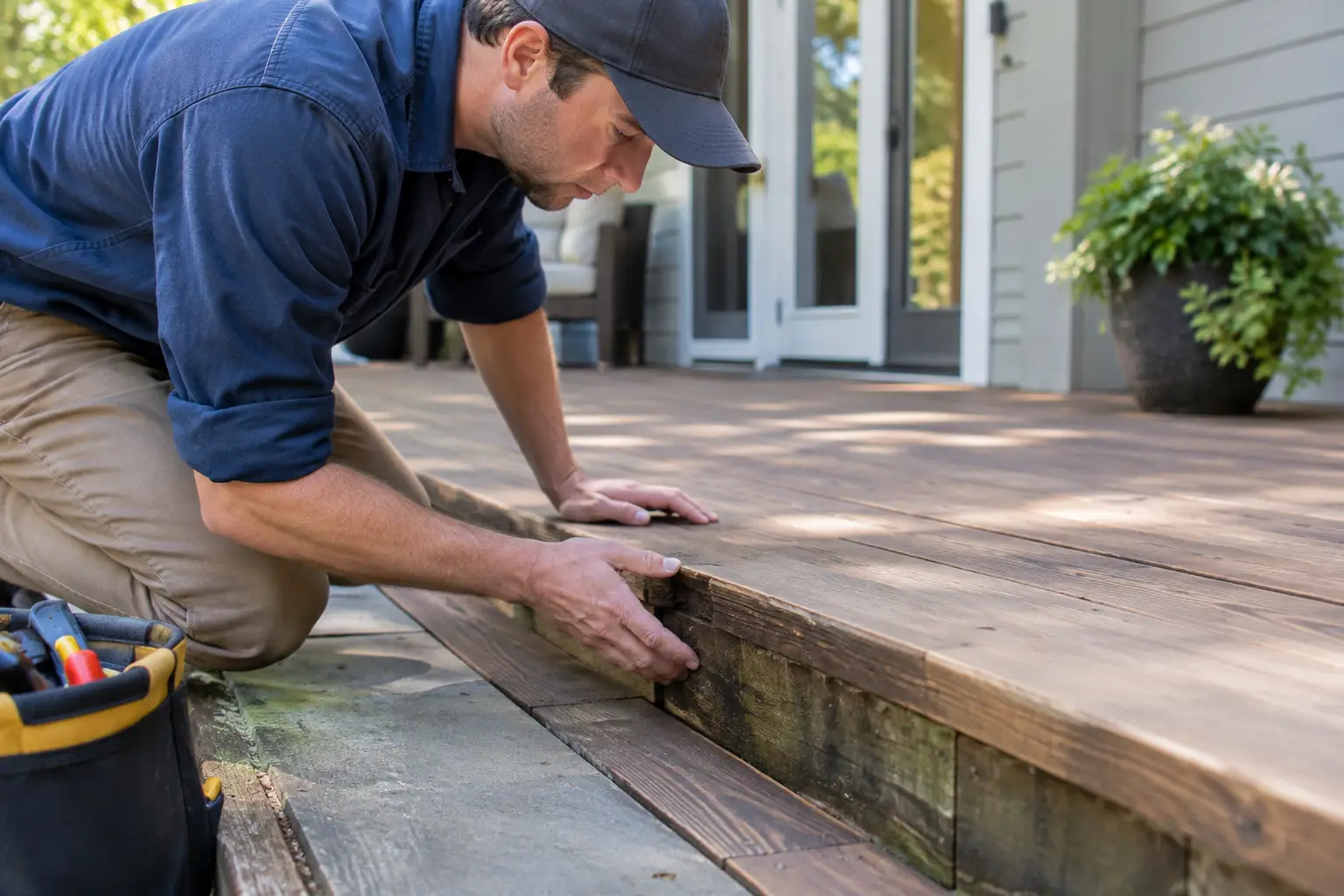
How to Prevent Deck Rot Before It Spreads
A deck can look solid from the surface while moisture is quietly damaging the framing below. Knowing how to prevent deck rot starts with recognizing that wood does not fail simply because it gets wet. It fails when it stays wet long enough for decay fungi to take hold. Good construction, regular observation, and prompt repairs keep that moisture from becoming a larger structural problem.
For homeowners in Vacaville, Fairfield, Dixon, and nearby communities, decks face a mix of intense summer sun, seasonal rain, irrigation overspray, and temperature changes. Those conditions can wear down finishes, open small gaps around connections, and expose vulnerable wood. A well-built deck should handle normal weather, but it still needs the right details to dry properly.
How to Prevent Deck Rot Starts With Water Management
The most effective way to protect a deck is to give water a clear path away from the structure. Standing water, trapped debris, and damp areas with little airflow create the conditions rot needs. This is why deck protection is as much about drainage and ventilation as it is about the visible deck boards.
The area beneath the deck deserves just as much attention as the surface. Soil that stays damp, poor grading near the home, or a deck built too close to the ground can limit airflow and keep framing wet. Water should drain away from the house and from the footings rather than collecting under the deck after rain or irrigation.
Deck boards also need adequate spacing. Small gaps allow water and debris to move through instead of sitting on top of joists. When leaves, dirt, and mulch accumulate between boards or along the deck edge, they hold moisture against the wood. Keeping those areas clear is simple preventive maintenance, not cosmetic housekeeping.
Protect the Connection Between the Deck and Home
The deck-to-house connection is one of the most critical areas to get right. Where a deck attaches to the home, water must be directed away from the wall and the structural framing behind it. Proper flashing at this connection helps prevent rainwater from entering spaces where damage may remain hidden for years.
A deteriorated ledger board, loose fasteners, staining on siding near the deck, or water marks inside an adjacent room deserve prompt professional attention. These symptoms do not automatically mean there is extensive damage, but they should not be ignored. The cost and scope of a repair are usually far more manageable before moisture reaches wall framing or interior finishes.
This is an area where surface caulk is not a dependable long-term answer. Caulk can fail with movement and weather exposure, and it cannot correct missing or improperly installed flashing. A qualified contractor can evaluate the connection, identify the source of moisture, and recommend a repair that addresses the assembly rather than covering up the symptom.
Choose Materials That Fit the Deck’s Exposure
Material selection plays a major role in preventing rot, although no material eliminates the need for good drainage and construction details. Pressure-treated lumber is commonly used for structural framing because it is designed to resist decay and insect damage. It still needs to be installed correctly, especially at cuts, fastener locations, and areas that are close to soil or frequent moisture.
Naturally durable woods can provide a distinctive appearance, but they require appropriate finishing and maintenance to preserve their performance. Composite deck boards resist rot because they do not contain untreated wood in the same way traditional boards do. However, composite decking can still be installed over wood framing, so the joists, beams, posts, and house connection remain essential to the deck’s overall condition.
There are trade-offs. Composite surfaces may reduce routine staining or sealing needs, but they often have a higher initial cost and do not solve underlying drainage issues. Wood decking offers a classic look and can be repaired in sections, but it requires consistent care. The right choice depends on the deck design, sun exposure, budget, and how much maintenance the homeowner wants to plan for over time.
Keep Wood Away From Persistent Ground Moisture
Posts and framing members that are too close to soil are at greater risk of decay. Even pressure-treated wood benefits from separation from direct ground contact when the design allows it. Proper footings, post bases, and clearance below beams help keep structural members from absorbing moisture from the soil.
The same principle applies to planter boxes, built-in benches, stair stringers, and trim pieces. Decorative elements often create small pockets where water and debris collect. A custom outdoor living design should account for these details from the beginning, with drainage paths and durable materials in the places that receive the most exposure.
Irrigation is another frequent source of preventable moisture. Sprinklers aimed at the deck, posts, or lower siding can repeatedly soak the same areas. Adjusting overspray protects more than the deck. It also helps reduce unnecessary moisture near the home’s exterior walls and foundation.
Maintain the Deck Finish Without Treating It as a Cure-All
A quality stain or water-repellent finish can slow moisture absorption and help preserve the appearance of wood. It is a worthwhile part of deck care, particularly on walking surfaces that receive direct sun and rain. Still, finish products are maintenance tools, not a substitute for correct flashing, spacing, drainage, or structural repairs.
The timing for refinishing depends on the product, the wood species, sun exposure, and the deck’s use. A south- or west-facing deck in Solano County may weather faster than a shaded deck. Rather than relying only on a calendar, watch for fading, rough fibers, water soaking into the boards quickly, or finish that is peeling in high-traffic areas.
Before applying a new coating, the deck should be evaluated for damaged boards, loose fasteners, soft spots, and moisture problems. Sealing over concealed deterioration can make a deck look refreshed while the underlying issue continues.
Inspect the Areas People Usually Miss
Most deck rot begins where it is least visible: at board ends, beneath planters or outdoor rugs, around fasteners, under stairs, near posts, and at the deck’s connection to the home. A seasonal walk-around is a practical way to spot changes before they become major repairs.
Look for wood that feels soft, looks darkened or cracked, flakes apart, or remains damp long after nearby areas have dried. Check for loose railings, corroded hardware, sagging sections, and deck boards that flex more than they once did. These conditions may involve rot, aging fasteners, or movement in the structure, and each deserves a professional assessment when safety is uncertain.
Outdoor rugs and furniture can also trap moisture against deck boards. They do not need to be avoided entirely, but they should be moved periodically so the surface can dry and be inspected. Planters should be elevated enough to allow drainage instead of sitting directly on the decking.
Address Small Problems Before They Spread
Deck rot rarely improves on its own. A single damaged board may be limited to the surface, or it may point to moisture affecting the framing below. The difference matters. Replacing visible boards without identifying why they failed can lead to repeated repairs and unnecessary expense.
A professional deck evaluation can determine whether the issue is isolated or connected to drainage, flashing, inadequate ventilation, or structural deterioration. For older decks, this assessment is particularly valuable before investing in new finishes, railings, or surface boards. It provides a clearer picture of what can be preserved and what should be rebuilt for long-term safety.
Saitta Construction helps homeowners plan practical deck repairs and outdoor living improvements with attention to the details that protect the investment over time. Clear recommendations and quality workmanship matter most where water management and structural safety are involved.
A deck should be a place to enjoy evenings outside, not a source of uncertainty after every rainy season. Paying attention to drainage, drying, and early warning signs gives your deck the best chance to remain safe, attractive, and ready to use for years ahead.