How to Prepare for a Remodel Without Surprises
A remodel rarely feels disruptive because of the construction itself. It feels disruptive when homeowners are surprised by decisions, costs, or changes they did not expect. The best way to protect your comfort, schedule, and investment is to understand how to prepare for remodel work before materials are ordered and demolition begins.
Whether you are updating a kitchen, expanding a bathroom, building an ADU, or planning a full home renovation, preparation creates a stronger starting point. It helps your contractor understand what matters most, gives you more control over the budget, and keeps the project moving when choices need to be made.
Start With How You Want Your Home to Work
Before selecting tile, cabinet colors, or fixtures, think about the daily problems your remodel needs to solve. A kitchen may need better storage and a more efficient layout for family meals. A bathroom may need improved accessibility, additional counter space, or a larger shower. An addition may be necessary because your family needs a home office, guest room, or more flexible living space.
Write down the frustrations in your current home and the improvements that would make the greatest difference. Be specific. “More storage” is a helpful starting point, but “a pantry cabinet near the refrigerator and deeper drawers for cookware” gives a design team much more to work with.
It also helps to separate your priorities into needs and wants. Your needs are the features that make the space function properly. Your wants are upgrades that would be valuable if the budget allows. Both matter, but understanding the difference makes decisions easier if pricing or site conditions require adjustments later.
Build a Realistic Budget With Room to Respond
A remodel budget should cover more than the visible finishes. It must account for design, permits, labor, materials, structural work when needed, and the conditions discovered after walls or floors are opened. Older homes in Vacaville, Fairfield, Benicia, and surrounding communities can have hidden issues such as outdated framing, water damage, or previous alterations that do not meet current requirements.
Set a target investment range rather than relying on one fixed number. Then include a contingency amount for unforeseen conditions and approved changes. The right amount depends on the age and complexity of the home, but a contingency is not an admission that something will go wrong. It is a practical way to make sure an unexpected repair does not force a rushed decision.
Be direct about your budget early in the conversation. A qualified contractor can recommend a scope, material level, and construction approach that align with your goals. Waiting to discuss cost until after extensive design work can lead to avoidable revisions.
Know Where Trade-Offs Are Worth It
Not every upgrade delivers the same daily value. Durable flooring, quality cabinetry, well-planned lighting, proper waterproofing, and dependable hardware are often worthwhile places to invest because they affect long-term performance. Some decorative choices can be adjusted more easily if the budget needs to change.
The best decisions depend on the room and how you use it. A rental ADU may call for durable, low-maintenance finishes, while a primary bathroom may justify more personalized selections. A good remodeling plan reflects your household, not a one-size-fits-all checklist.
Choose Your Contractor Before Finalizing Every Detail
Homeowners sometimes believe they need every finish and drawing selected before speaking with a contractor. In many cases, involving a licensed general contractor early creates a more practical plan. The contractor can identify construction considerations, likely permit requirements, scheduling factors, and cost drivers before the design is too far along.
Ask how the contractor manages communication, change orders, scheduling, permits, and jobsite protection. You should understand who your day-to-day contact will be and how often you can expect updates. Clear communication is especially valuable when you are living in the home during construction.
Review the scope of work carefully. It should explain what is included, what selections are still pending, and what circumstances could affect the price or timeline. If something is unclear, ask before work begins. A transparent conversation upfront is far easier than resolving assumptions after demolition.
Saitta Construction approaches this process as a partnership, helping homeowners turn their goals into a clear, buildable plan with dependable communication throughout the project.
Plan for Permits and Existing Conditions
Many remodeling projects require permits, especially when they involve structural changes, additions, ADUs, layout modifications, or work that affects building systems. Permit requirements vary by project and jurisdiction, so do not assume a similar project completed years ago would follow the same process today.
Permitting can add time before construction starts, but it serves an important purpose. It helps ensure that work meets current codes and that major changes are reviewed appropriately. Your contractor should explain which permits are anticipated, who will coordinate them, and how inspections may affect the schedule.
Existing conditions also matter. If your home has an older foundation, unusual framing, prior additions, or signs of moisture damage, additional evaluation may be needed. This does not automatically mean the project will become more complicated. It simply allows the team to plan responsibly instead of making assumptions behind finished walls.
Finalize Key Selections Before Construction Starts
Some decisions can wait, but many cannot. Cabinets, windows, appliances, tile, plumbing fixtures, specialty lighting, and custom materials may have longer lead times. Waiting too long to choose them can delay the project or require substitutions that do not match your original vision.
Try to make major selections before construction begins, particularly those that affect dimensions or installation. The size of an appliance can affect cabinet layout. A selected tile can influence wall preparation and shower details. A light fixture may determine placement and support requirements.
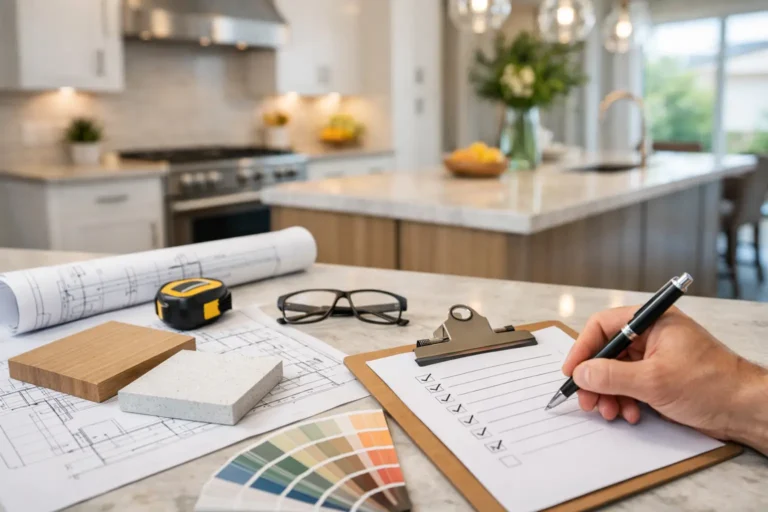
Keep a simple record of every approved selection, including product name, finish, size, and any relevant notes. This avoids confusion when similar colors or models are available. If you need to change a selection, communicate it promptly so the contractor can confirm availability, pricing, and schedule impacts before ordering.
Prepare Your Household for the Construction Phase
A well-organized home makes the remodel safer and less stressful. Discuss which rooms will be inaccessible, where workers will enter, whether a temporary kitchen or bathroom is needed, and how pets will be kept secure. If the project affects your only kitchen, set up a temporary meal area with the essentials you use most often.
Before work starts, remove personal belongings from the construction area and nearby spaces. Protect valuables, important documents, and fragile items by moving them well away from work zones. Construction teams use dust-control measures, but remodeling still creates noise, activity, and some inconvenience.
For a larger renovation, it may make sense to stay elsewhere during certain phases. This depends on the scale of the work, the layout of your home, and your household needs. Families with young children, pets, remote work obligations, or health concerns may benefit from planning accommodations in advance rather than deciding mid-project.
Establish a Simple Communication Routine
You do not need to be on site all day to stay informed. What you need is a clear process for questions and approvals. Confirm the best contact method, who can make decisions, and how changes will be documented. If more than one household member is involved, decide who has final approval authority for selections and scope changes.
Expect a remodel to involve a few decisions along the way. Materials may become unavailable, an existing condition may require a repair, or you may see an opportunity to improve the plan once the space is opened. The goal is not to avoid every change. It is to make informed choices without losing sight of your budget, timeline, and priorities.
How to Prepare for a Remodel With Confidence
Preparation does not remove every unknown from a remodeling project, but it greatly reduces avoidable stress. When you define the purpose of the space, set a workable budget, select a qualified contractor, make timely decisions, and prepare your household, construction can proceed with fewer surprises and better results.
Your home should support the way you live now and the plans you have for the years ahead. Start the conversation early, ask clear questions, and give your remodel the thoughtful foundation it deserves.