How to Hire a Whole House Remodel Contractor
A whole-home renovation can fix years of frustration in one project – awkward layouts, worn finishes, cramped bathrooms, poor storage, and rooms that never worked the way your family actually lives. The right whole house remodel contractor does more than manage trades. They help you make smart decisions early, protect your investment during construction, and keep the project moving with a clear plan.
That matters because a whole-house remodel is not the same as updating one room at a time. Once walls open up, systems connect. Electrical affects drywall, plumbing affects flooring, layout changes affect permits, and scheduling one trade late can ripple through the rest of the job. Homeowners who treat this like a series of small cosmetic updates often run into avoidable delays, budget surprises, and communication problems.
What a whole house remodel contractor actually does
A qualified whole house remodel contractor coordinates the full renovation process from planning through completion. That can include pre-construction guidance, budgeting, design input, demolition, structural work, rough-in trades, finish work, inspections, and final punch-list items. In a design/build model, the contractor also helps align design choices with real construction costs before the work begins.
This role is especially valuable when multiple spaces are being renovated at once. If your kitchen, bathrooms, flooring, lighting, windows, and living areas are all changing together, someone has to oversee how those decisions fit into one scope, one schedule, and one budget. Without that level of coordination, homeowners often end up acting as the project manager themselves, which sounds manageable until materials are delayed, an inspection gets rescheduled, or one change order affects three other parts of the house.
When hiring a whole house remodel contractor makes sense
Sometimes a full-home remodel is the right move because the home is outdated from end to end. In other cases, the problem is less about finishes and more about function. A family may need better flow between living spaces, more storage, a larger kitchen, updated bathrooms, or a bonus room conversion that makes the house fit their life now instead of ten years ago.
It can also make financial sense to renovate comprehensively rather than in phases. Doing everything at once is a larger commitment upfront, but it often reduces repeated labor, repeated disruption, and the stop-and-start cost that comes with hiring multiple contractors over several years. The trade-off is that a full remodel requires stronger planning and a contractor with the experience to manage complexity.
How to evaluate a contractor before you sign
The first thing to look for is experience with projects that are truly whole-home in scope. A contractor who does excellent single-room remodels may still not be the best fit for a project involving structural changes, multiple living areas, permit coordination, and overlapping trades. Ask what kinds of full-house projects they handle most often and how they manage scheduling when several parts of the home are under construction at the same time.
You should also confirm the basics without hesitation: licensing, insurance, and a clear written contract. Those are not bonus features. They are baseline protections for a major investment.
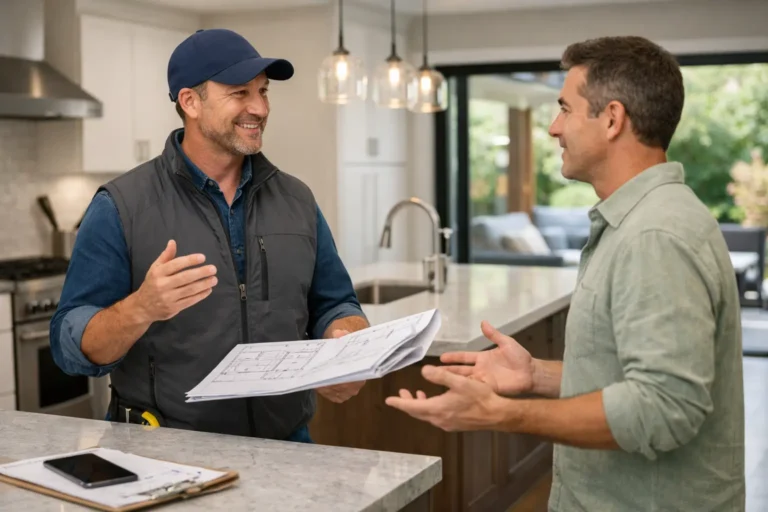
Communication is the next filter, and it is often the one homeowners underestimate. During the estimate and planning stage, pay attention to how the contractor explains the process, answers questions, and sets expectations. Do they speak clearly about timeline, allowances, possible unknowns, and decision deadlines? Or do they make broad promises that sound good but leave room for confusion later?
A dependable contractor will not promise that nothing unexpected can happen. In remodeling, especially in older homes, hidden issues behind walls or under floors are always possible. What you want is honesty about how those situations are handled.
Questions worth asking your whole house remodel contractor
Some of the best interview questions are the practical ones. Ask who will be your day-to-day point of contact. Ask how often you will receive updates. Ask how selections are tracked, how changes are approved, and what happens if materials are backordered. Ask whether the team has a typical pre-construction process or whether the project begins with rough numbers and gets figured out along the way.
You should also ask about the sequence of work and whether you can realistically stay in the home during construction. Sometimes you can, especially if the remodel is phased. Sometimes it creates more stress, slows production, and exposes your family to dust, noise, and limited access to kitchens or bathrooms. A trustworthy contractor will walk through that decision honestly instead of giving a one-size-fits-all answer.
Why the lowest bid is rarely the best value
When homeowners compare bids, the instinct is often to focus on the bottom-line number. That is understandable, but a lower price does not always mean a better deal. One contractor may include more detailed planning, stronger project management, better finish standards, and a more realistic contingency for unknown conditions. Another may leave key items vague, understate labor, or rely heavily on allowances that push real costs later.
If one proposal is significantly lower than the others, there is usually a reason. It could be a different scope. It could be lower-quality materials. It could be a less developed planning process. Price matters, but clarity matters just as much.
A strong proposal should help you understand what is included, what is excluded, where allowances apply, and how changes will be handled if your selections shift during the project. The more transparent the estimate, the easier it is to make a confident decision.
Planning for the realities of a whole-home remodel
Every homeowner wants the project done quickly, cleanly, and on budget. Those are reasonable goals, but a whole-house renovation involves moving parts that need room to breathe. Permit timelines, inspection availability, product lead times, and hidden site conditions can all affect the schedule.
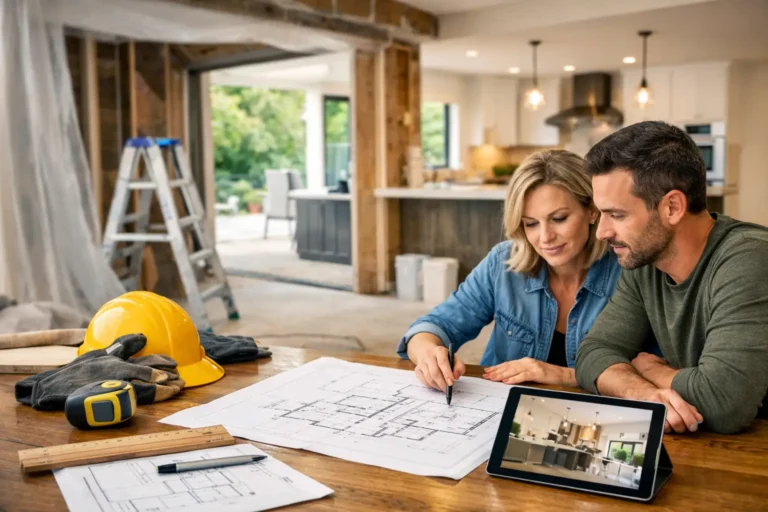
That is why pre-construction planning matters so much. The more decisions made before demolition begins, the smoother the build tends to go. Layout changes, fixture selections, finish materials, appliance specs, lighting plans, and structural details should be discussed early, not figured out room by room while crews are waiting.
This is one area where an experienced local company can make a major difference. A contractor familiar with homes in Vacaville and surrounding Northern California communities understands local building expectations, regional styles, and the permit process that comes with substantial residential work. For homeowners making a large investment, local knowledge is not a small detail. It helps reduce friction.
What good communication looks like during construction
Once construction starts, homeowners want to know what is happening, what is next, and whether any decisions are needed from them. Good communication is not constant chatter. It is consistent, organized information.
That means regular progress updates, prompt notice of any changes, and direct answers when questions come up. It also means the contractor takes ownership of coordination rather than leaving the homeowner to chase subcontractors or sort out conflicts between trades.
This is where trust gets built. Not by saying the right things at the start, but by showing up, following through, and handling problems professionally when they arise. Companies like Saitta Construction understand that a whole-home remodel is not just a construction project. It affects your daily life, your routines, and your confidence in the process.
The result should feel bigger than new finishes
A successful remodel is not measured only by updated cabinets, new flooring, or better-looking bathrooms. The real result is that your home works better. Traffic flow improves. Storage makes sense. Light reaches the places it should. Rooms feel connected. The house supports the way your family cooks, gathers, works, rests, and grows.
That is why choosing the right contractor matters so much. You are not simply hiring someone to replace materials. You are choosing a professional partner to guide a major change to one of your most valuable assets.
If you are considering a full-home renovation, take your time on the front end. Ask better questions. Compare more than price. Look for craftsmanship, professionalism, and a contractor who communicates as clearly as they build. A well-planned remodel can change the way your home feels every day – and that is worth doing right.