Choosing a Pergola Installation Contractor
A pergola can look simple from the street – a few posts, overhead beams, a defined place to gather – but the difference between a lasting structure and a future headache usually comes down to the pergola installation contractor you hire. For homeowners planning to improve a backyard, patio, or poolside area, the right contractor brings more than labor. They bring design judgment, code awareness, structural planning, and a process that keeps surprises to a minimum.
That matters because a pergola is not just a decorative add-on. It affects how your outdoor space functions, how it ties into the home, and how well it holds up through sun, moisture, and years of use. If the goal is to create a comfortable, well-built outdoor living area, contractor selection deserves as much attention as the design itself.
What a pergola installation contractor should actually handle
A qualified pergola installation contractor should be able to guide the project from concept through final construction. That often starts with questions about how you plan to use the space. Some homeowners want filtered shade over a dining area. Others want a structure that defines a lounge space, frames a new deck, or adds value before a future home sale. Those goals influence size, placement, materials, and the level of structural support required.
A contractor should also look at the conditions of the site. Soil, drainage, slope, sun exposure, and proximity to the house all affect the build. In some cases, attaching a pergola to the home makes sense. In others, a freestanding structure is the better choice. There is no one-size-fits-all answer, which is why experience and honest recommendations matter.
For many homeowners, permit coordination is another major part of the job. Depending on the project scope, location, and structure type, permits may be required. A contractor who understands local requirements can help prevent delays and avoid the common mistake of treating a pergola as a purely cosmetic feature when it may need review and approval.
Why contractor choice matters more than material choice
Homeowners often start by comparing wood, aluminum, or composite options, and material selection is important. Still, even the best material will not perform well if the pergola is poorly laid out, underbuilt, or installed without attention to detail.
Post placement is a good example. If the spacing is off, the structure can look awkward and feel disconnected from the patio or home. If the footings are inadequate, movement and settling can become a problem over time. If the overhead members are undersized for the span, the pergola may not have the visual balance or structural confidence you want.
A strong contractor helps you avoid those issues before construction begins. They can explain the trade-offs clearly. A wood pergola may offer warmth and custom character, but it also requires more maintenance. A low-maintenance product may reduce upkeep, but it may not deliver the same look in every setting. The right answer depends on your priorities, budget, and the overall style of the property.
Signs you are hiring the right pergola installation contractor
The best contractor conversations are usually straightforward. You should be able to explain what you want, ask practical questions, and get clear answers without sales pressure or vague promises.
A reliable contractor should be licensed and insured, experienced with residential exterior construction, and comfortable discussing how the pergola integrates with other features like patios, decks, outdoor kitchens, or home additions. They should also be able to explain the scope in plain language. If a contractor cannot clearly describe what is included, that usually creates confusion later.
It also helps to pay attention to how they communicate early in the process. Do they show up on time? Do they listen to what you want from the space? Do they point out possible challenges before the contract is signed? Good communication at the estimate stage often reflects how the entire project will be managed.
Questions worth asking before you sign
When meeting with a pergola installation contractor, ask who is responsible for design input, permits, site prep, demolition if needed, and final cleanup. Ask what materials they recommend and why. Ask whether the pergola will be freestanding or attached and what that means for structure and cost.
You should also ask about timeline expectations. Outdoor construction schedules can be affected by weather, material lead times, and permit review. A trustworthy contractor will not promise an unrealistic start-to-finish window just to win the job. They will explain what can affect the schedule and how updates will be communicated along the way.
Pricing deserves a careful discussion too. The lowest estimate is not always the best value, especially if it leaves out key parts of the project. A detailed proposal should make it easier to understand what you are paying for, what assumptions are being made, and where allowances or upgrades may come into play.
Design choices that affect budget and performance
Pergola pricing can vary more than many homeowners expect. Size is a factor, but not the only one. Material type, custom details, footing requirements, attached versus freestanding construction, finish work, lighting preparation, and integration with an existing patio or deck all influence cost.
There are also design decisions that affect long-term satisfaction. A pergola that looks right on paper may feel too narrow once furniture is placed below it. A structure that offers visual interest may not provide enough shade at the time of day you actually use the yard. This is where contractor input becomes valuable. An experienced builder can help match proportions to the home and layout to real use, not just appearance.
In Northern California, sun exposure is often a major consideration. Homeowners in communities like Vacaville, Fairfield, and Davis typically want outdoor spaces that are comfortable during warmer months, not just attractive in listing photos. A pergola can help define that comfort, but only if placement and design are thought through carefully.
Permits, codes, and the details homeowners should not ignore
Many homeowners would rather focus on finishes and style than paperwork, which is understandable. Still, permitting and code compliance are part of protecting your investment. If a pergola is attached to the home, includes electrical elements, or falls under local building requirements, those details need to be addressed properly.
This is another reason to work with a licensed general contractor instead of treating the project like a minor handyman job. What looks simple above ground may involve real structural considerations below it. Footings, attachment points, load requirements, and setback issues can all affect the final plan.
A contractor with a strong process helps reduce risk here. Instead of reacting to problems after work starts, they address those issues in the planning stage. That usually leads to a smoother project and a better finished result.
How pergolas fit into larger outdoor living projects
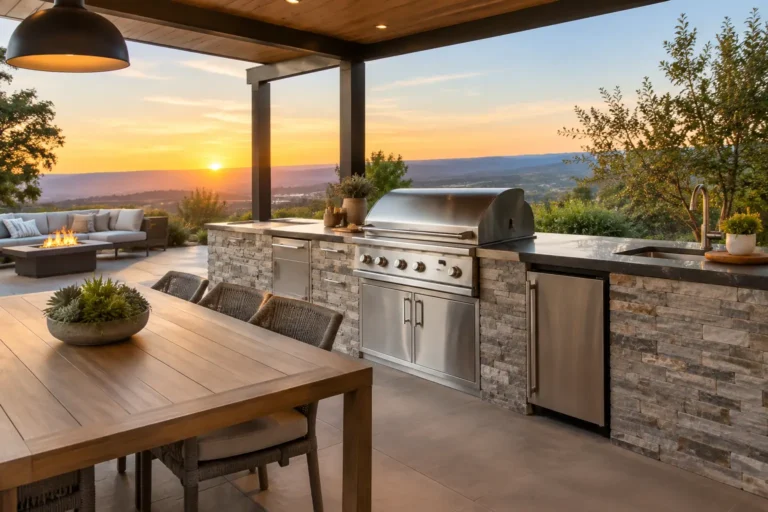
A pergola rarely exists in isolation. It often becomes part of a larger improvement plan that includes a patio extension, deck, outdoor kitchen, concrete work, lighting, or better flow from the home to the yard. When that happens, it helps to work with a contractor who understands the whole picture.
That broader perspective can improve both appearance and function. The pergola can be sized to align with doors and windows, anchored to complement surrounding hardscape, and built to support the way the space will actually be used. It can also help the backyard feel more intentional, which is often what turns a basic exterior upgrade into a meaningful improvement in daily living.
For homeowners who want one point of contact from planning through final walkthrough, a company like Saitta Construction can bring that full-project coordination to outdoor living improvements. That kind of oversight becomes especially valuable when the pergola is only one part of a more complete backyard transformation.
What a good finished project should feel like
A well-built pergola should feel like it belongs to the home. It should create definition without looking forced, add comfort without blocking the yard, and show the kind of craftsmanship that holds up over time. The best projects do not call attention to every construction detail. They simply feel right when you walk into the space.
That result usually comes from careful planning, realistic budgeting, and a contractor who is honest about options, limitations, and priorities. Some homeowners need a simple structure that adds shade and style to an existing patio. Others want a custom feature that anchors a larger outdoor renovation. Both can be worthwhile, but the path should match the home and the way you live in it.
If you are considering a pergola, take the time to choose a contractor who values quality, communication, and sound construction practices. A backyard upgrade should give you more than a new feature to look at. It should give you a space you are genuinely glad to use.