How to Budget Bathroom Renovation Costs Wisely
A bathroom can look like a simple room to update until the walls are opened, finishes are selected, and the existing plumbing layout comes into focus. Knowing how to budget bathroom renovation work before construction begins helps homeowners make confident choices, protect their investment, and avoid having to compromise on essential details halfway through the project.
For homeowners in Vacaville, Fairfield, Dixon, and nearby communities, a well-planned bathroom remodel should balance daily comfort, long-term durability, and resale value. The most reliable budget is not based on a single broad price range. It is built around your home, your goals, and a clearly defined scope of work.
Start With the Bathroom You Actually Need
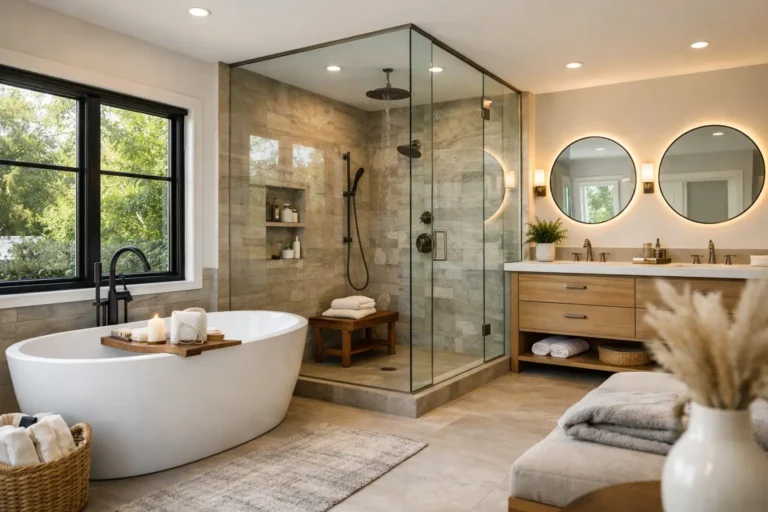
The first budgeting decision is not tile, fixtures, or paint color. It is determining what the new bathroom needs to do better than the current one. A guest bathroom that needs a fresh, functional update has a very different budget than a primary bathroom that requires a larger shower, added storage, improved lighting, and an entirely new layout.
Write down your priorities in order. You may want to improve accessibility, replace a dated tub, create more usable counter space, or correct moisture damage. Separating must-have improvements from nice-to-have upgrades gives the project direction when decisions affect the budget.
Layout changes deserve special attention. Moving a toilet, shower, or vanity can improve function dramatically, but it may also require changes behind the walls and below the floor. Keeping fixtures in roughly the same locations can often control costs. That does not mean a layout change is always the wrong choice. If the existing arrangement makes the room difficult to use, the added investment may be worthwhile. The key is to account for it early rather than treating it as a small adjustment later.
How to Budget Bathroom Renovation Costs by Scope
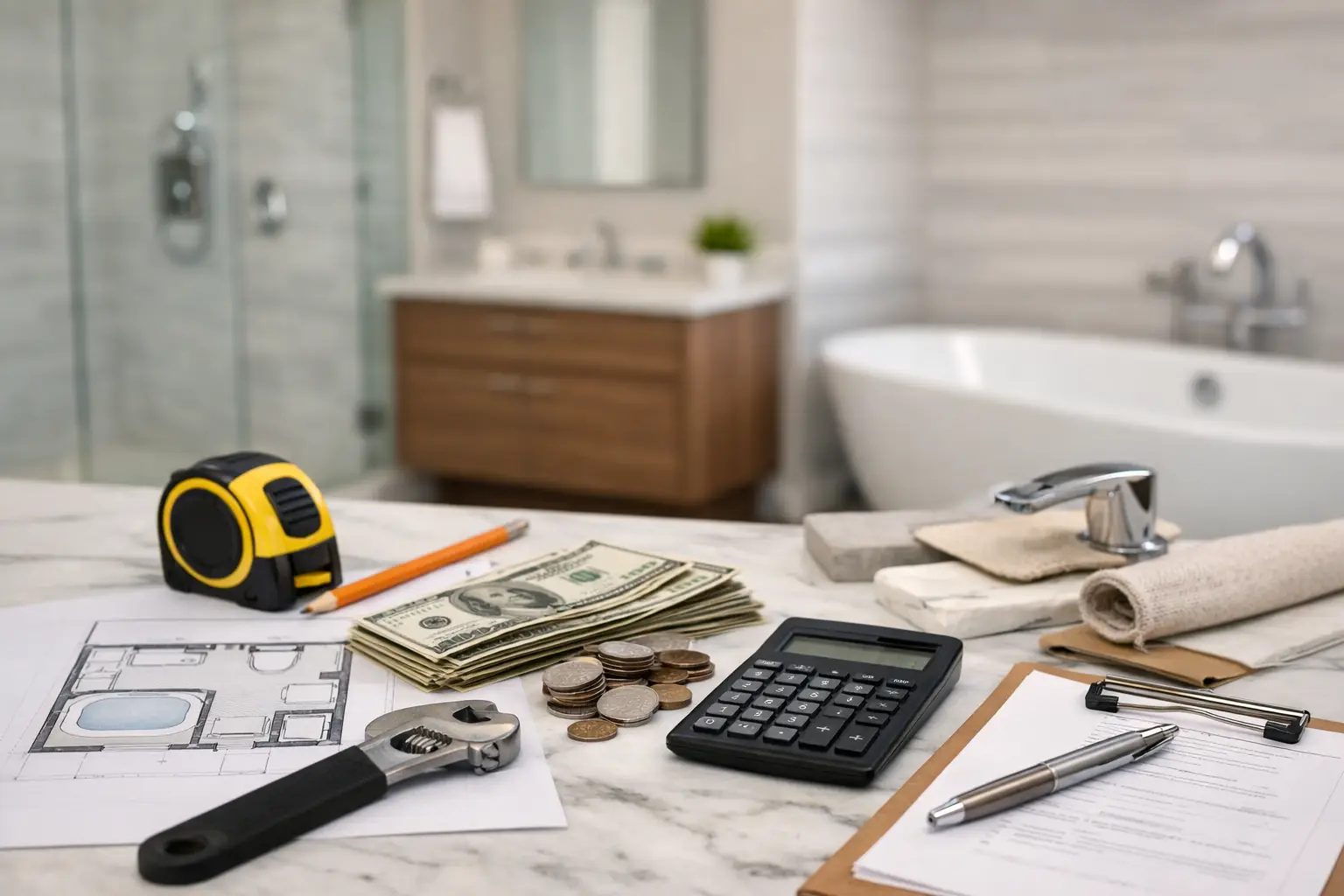
A practical bathroom budget begins with categories, not one lump sum. Your contractor’s proposal should clearly identify what is included so you can compare options and understand where your investment is going.
Most bathroom renovation budgets include design and planning, permits when required, demolition and disposal, framing or structural corrections, plumbing and electrical work, waterproofing, drywall, tile, cabinetry, countertops, fixtures, glass, paint, labor, and final cleanup. Depending on the home, the project may also involve ventilation improvements, insulation, subfloor repair, or accessibility modifications.
The scope should also state what is being retained. For example, is the existing vanity staying? Are mirrors, towel bars, and window trim included? Will the new tile run to the ceiling in the shower or stop at a defined height? Small omissions can create confusion and unplanned costs if they are not addressed before work starts.
Rather than selecting the lowest number, review each proposal for completeness. A lower estimate may exclude necessary preparation, waterproofing details, permits, or finish installation that another contractor has included. An honest budget comparison is based on the same scope and quality level, not just the total at the bottom of the page.
Set a Realistic Allowance for Materials
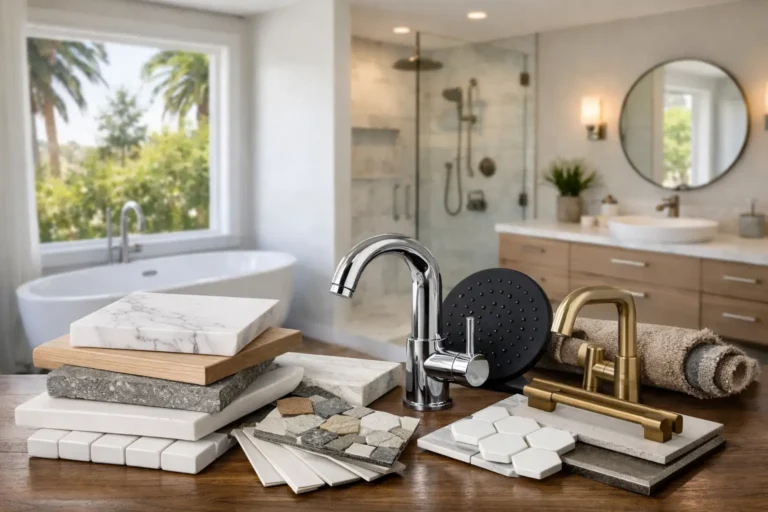
Material selections have one of the largest effects on a bathroom renovation budget. Tile, vanities, faucets, lighting, countertops, shower doors, and plumbing fixtures are available at many price points. A clear allowance gives you room to make selections while keeping the overall plan grounded.
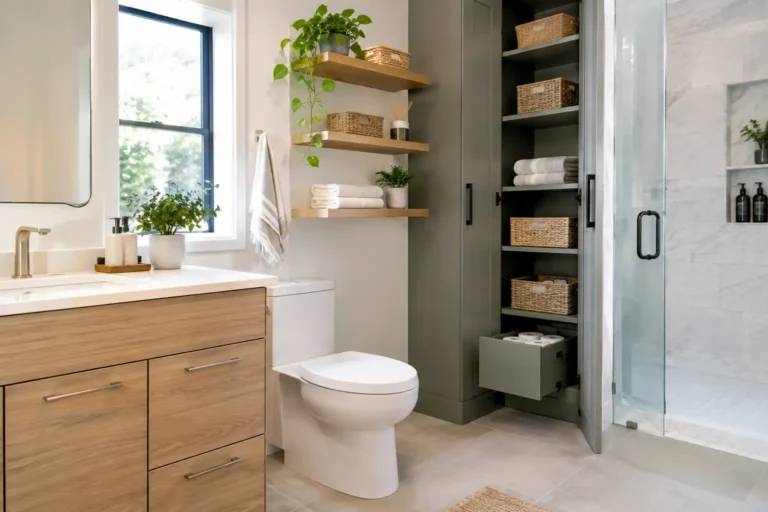
Start with the items you care about most. If a large walk-in shower is the centerpiece of the room, you may decide to allocate more toward durable tile, quality waterproofing, and a properly fitted glass enclosure. If storage is the main problem, investing in a well-built vanity and thoughtful cabinet configuration may deliver more daily value than a premium decorative light fixture.
It is also wise to consider the cost beyond the purchase price. Large-format tile, intricate patterns, natural stone, floating vanities, wall-mounted faucets, and custom glass can require additional preparation and skilled installation. These selections can be excellent choices, but they should be priced as part of the complete installation rather than treated as a simple product upgrade.
When possible, make major selections before construction begins. Ordering fixtures and finishes early helps confirm availability, avoids rushed substitutions, and allows the team to verify dimensions. A beautiful vanity that arrives too wide for the planned space or a faucet that does not work with the selected sink can lead to costly delays.
Reserve a Contingency for What Is Behind the Walls
A bathroom renovation often reveals conditions that are not visible during the first walkthrough. Older homes may have water damage around a shower, outdated wiring, corroded plumbing, uneven floors, or framing that needs correction before new finishes can be installed properly.
For that reason, set aside a contingency fund separate from your planned finish budget. A common approach is to reserve roughly 10% to 20% of the construction budget, with the higher end making sense for older homes, extensive layout changes, or bathrooms with signs of prior leaks. Your contractor can help assess the level of risk based on the home’s age and the work being planned.
A contingency is not an excuse for an unclear estimate. It is a responsible reserve for genuinely unknown conditions. If it is not needed, it remains yours. If an issue is uncovered, you can address it correctly without pulling funds away from the features that made the renovation worthwhile.
Do Not Underestimate Permits and Professional Planning
Bathroom remodeling can require permits when the work includes changes to plumbing, electrical systems, walls, windows, or structural elements. Requirements vary by location and project scope, so permit costs and inspections should be part of the budget from the beginning.
Permits are not just paperwork. They help ensure that work affecting safety, moisture control, and building systems is reviewed to current standards. In a bathroom, details such as ventilation, electrical protection, shower waterproofing, and proper fixture installation matter long after the project is finished.
Professional planning can also save money by preventing late changes. A detailed design confirms the room layout, fixture locations, storage needs, finish transitions, and clearances before demolition begins. This is especially valuable in compact bathrooms, where a few inches can determine whether a door swings comfortably, drawers open fully, or a shower feels spacious instead of cramped.
Build a Decision Schedule Before Construction Starts
Budget pressure often comes from decisions made under a deadline. Once construction is underway, a delayed tile choice or backordered fixture can affect the schedule and may create added costs. Establish a selection schedule that identifies when each item must be finalized and ordered.
Your early decisions should include the vanity, countertop, sink, faucet, shower or tub, tile, flooring, lighting, exhaust fan, toilet, and shower glass. Finish details such as hardware, mirrors, and accessories can follow, but they should still be planned so the completed room feels coordinated.
Keep a simple record of every approved selection, including model numbers, colors, quantities, and allowances. This reduces misunderstandings and makes it easier to see whether an upgrade in one category requires a savings adjustment elsewhere. For example, choosing a custom vanity may mean selecting a more straightforward wall tile, while keeping the shower system and waterproofing quality intact.
Focus on Value, Not Just the Initial Number
The least expensive path is not always the most economical one. Bathrooms experience daily moisture, heat, and heavy use, so work that is hidden behind finished surfaces matters as much as what is visible. Proper preparation, dependable materials, careful installation, and clear project management help protect the room from expensive repairs later.
A good budget should also reflect how long you plan to remain in the home. If you expect to enjoy the bathroom for many years, comfort and durable finishes may justify a higher investment. If you are preparing to sell, a clean, current, functional remodel can still add appeal without every premium upgrade. The right balance depends on the home, the neighborhood, and your personal plans.
Before approving the final budget, ask for clarity on the project scope, allowances, payment schedule, anticipated timeline, permit responsibilities, and how changes will be handled. Reliable communication is one of the most valuable parts of a remodeling experience. It keeps expectations aligned when decisions need to be made.
A bathroom renovation should feel considered from the first estimate through the final walkthrough. Working with a licensed contractor such as Saitta Construction can help homeowners turn a clear budget into a bathroom that is comfortable, functional, and built with the attention to detail the space deserves.